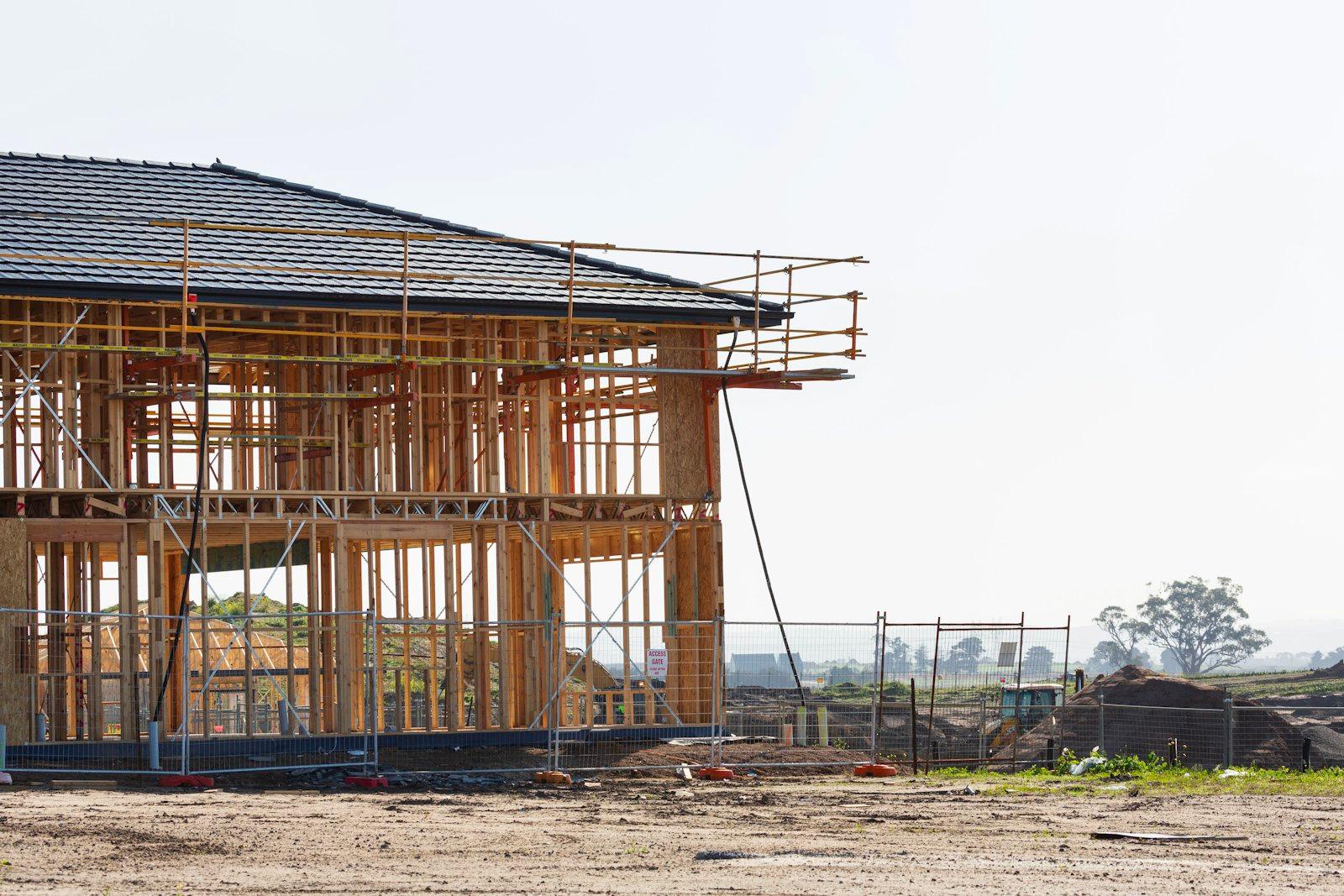
How we think about construction
A construction business is a set of jobs that happen to share a bank account. The books have to show each one on its own: what it was quoted at, what has been billed, what has been spent, and what is still held back. Without that, a profitable year can hide a job that lost money, and the bank balance tells you very little.
Langley keeps its trades busy. Willoughby, Brookswood, and Aldergrove have been filling in with new subdivisions and townhome blocks, and much of the work runs through crews of subcontractors paid by progress draw. That is the pattern we build the books around.
What makes the books different
- Job costing. Every invoice, timesheet, and materials purchase is tagged to a job, so margin can be read project by project rather than once a year.
- Holdbacks on both sides. Under BC's Builders Lien Act, the owner holds back 10% of each payment until the work is finished. You are owed holdbacks by your clients and owe them to your subtrades, and both sit on the balance sheet as their own accounts.
- Subcontractor reporting. Payments to each subcontractor are tracked through the year, because the CRA expects a T5018 slip for anyone paid more than $500 in the reporting period.
- PST on materials. Materials that become part of the building carry PST when you buy them, so the tax code on each supplier bill has to be right for job costs to be right.
What a monthly close looks like for you
You send the month's draw schedule and any change orders. We reconcile the bank and cards, post every bill to its job, record the draws and holdbacks, and run payroll costs through to the jobs the crew worked. By the 10th you have a job report showing billed, spent, held back, and remaining for each active project, plus the usual monthly statements.
Tools we commonly use for construction clients
QuickBooks Online with projects and classes, or Xero with tracking categories, as the ledger. Dext to capture supplier bills from the yard and the truck. A crew time app or a simple shared timesheet for hours by job. Your estimating or project tool stays where it is; we take its job numbers and budgets into the books.
Partners we work with
We work alongside CPAs who know construction, particularly percentage-of-completion and holdback questions at year-end, and construction lawyers for lien and contract matters. We do not refer to named firms on this page; ask us and we will suggest a starting point.
A good fit if
- You run a general contracting, framing, electrical, plumbing, or renovation business with several active jobs
- You pay subtrades by draw and need holdbacks tracked in both directions
- You want job margins every month, not just a total at year-end