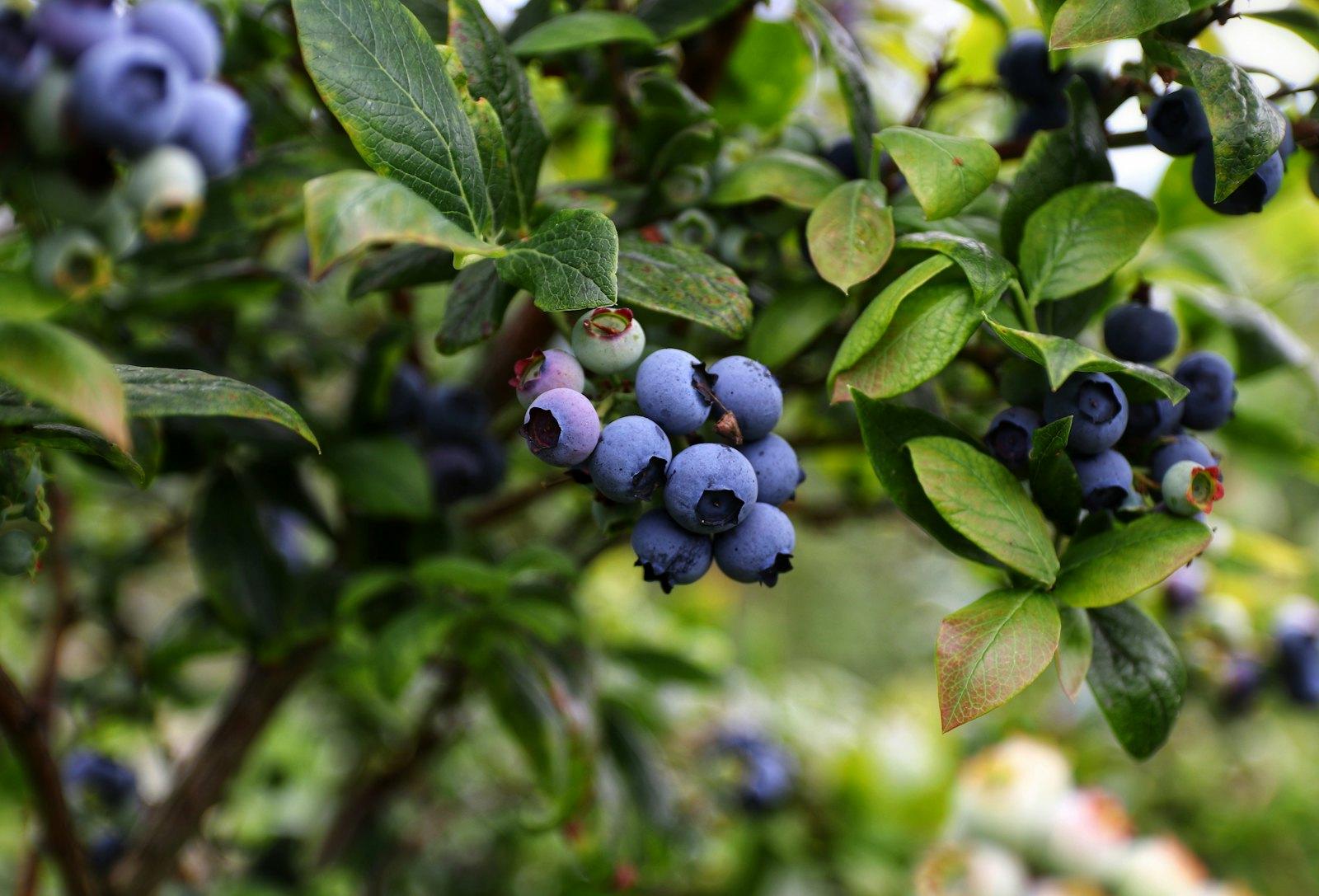
How we think about farm bookkeeping
A farm's year has one or two paydays and twelve months of bills. The books need to show how far the harvest has to stretch, which costs belong to which crop or flock, and which purchases came in without PST because the farm qualifies.
In the Township of Langley, farming is the land use, not a sideline: about three-quarters of the Township sits in the Agricultural Land Reserve. Most of those parcels are small, under ten acres, which means many Langley farms are family operations where the household and the business share a property, a truck, and sometimes a bank account. Separating the two cleanly is half the job.
What makes the books different
- Seasonal cash. Revenue lands in a few months, so a cash forecast for the off-season matters more than a monthly profit figure.
- PST farmer exemptions. A qualifying farmer can buy listed farm equipment and goods without PST, using a FIN 458 certificate or a BC Farmer Identity Card. The exemption only holds while the item is used solely for farming, so the records need to show that.
- Zero-rated sales. Most farm products and food livestock are zero-rated for GST, which changes how the farm's GST return looks and often turns it into a refund.
- Seasonal and piece-rate payroll. Hand harvesters may be paid by the piece, and farm workers are not paid overtime or statutory holiday pay under BC Employment Standards. Payroll records need to show hours or volumes picked.
What a monthly close looks like for you
You forward sales from markets, the farm stand, packers, or the marketing board, along with supplier bills. We reconcile everything, split costs by crop, barn, or enterprise where that helps you, keep the exemption paperwork with the purchases it covers, and update the cash forecast. By the 10th you know what the month did and how the next few months look.
Tools we commonly use for farm clients
QuickBooks Online or Xero as the ledger, with classes or tracking categories for each enterprise. Dext for supplier bills and receipts from the co-op and the feed store. Wagepoint for seasonal payroll. If you keep crop, flock, or herd records in a separate app, we use its numbers for inventory and cost allocation rather than asking you to keep them twice.
Partners we work with
We work with CPAs who handle farm tax regularly, including the rules on farm losses and transfers of farm property, and with agricultural lenders who want clean, timely statements at renewal. We name the partner type here, not a firm; ask us for a starting point.
A good fit if
- You run a berry, vegetable, poultry, egg, dairy, nursery, or mixed farm as a business
- You buy equipment and inputs that may qualify for the PST farmer exemption
- You hire seasonal crews and want payroll and the books kept together