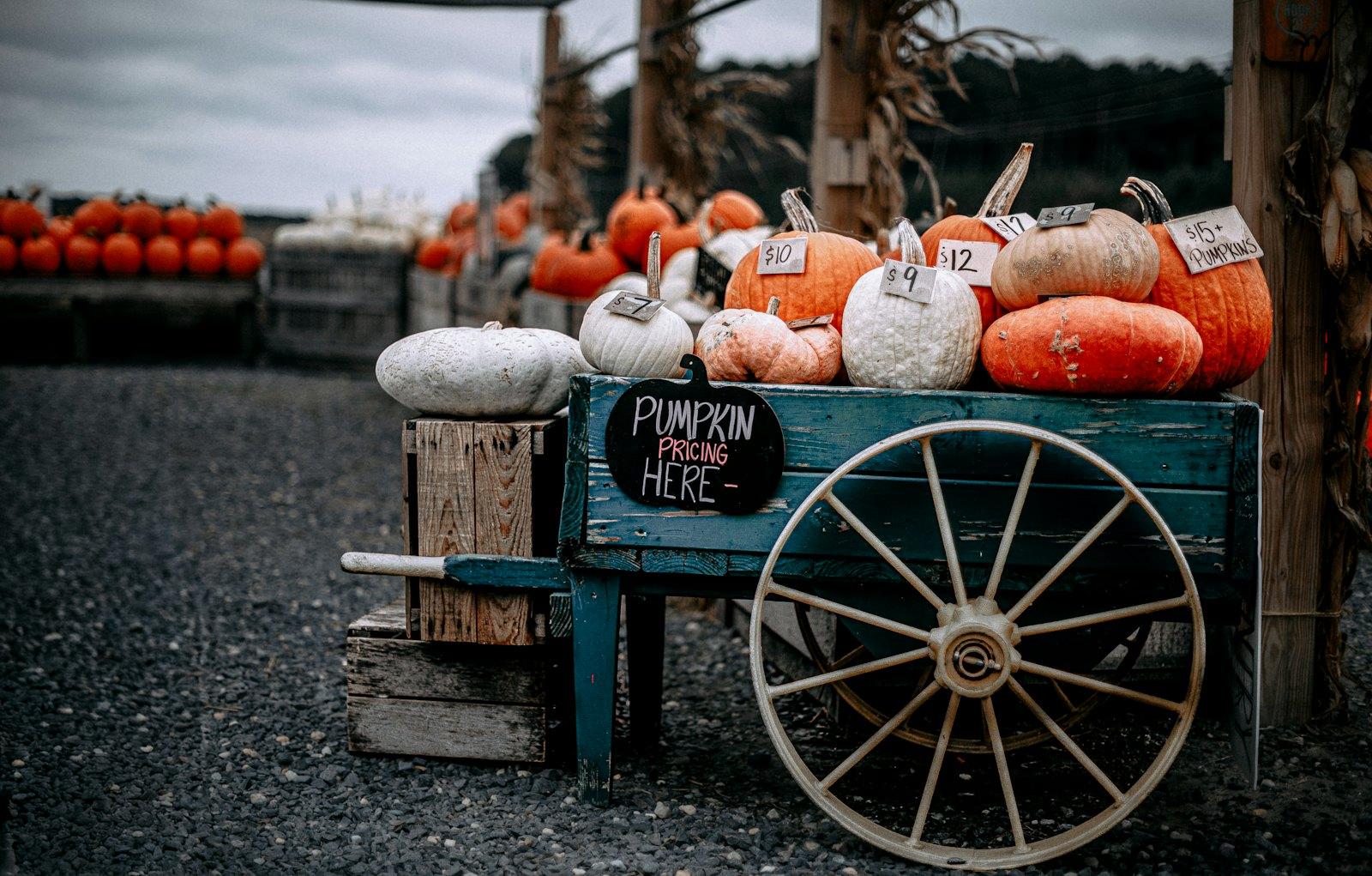
Most Langley businesses deal with two sales taxes: 5% federal GST and 7% BC PST, with PST at 10% on liquor. They run on different rules, are registered and filed separately, and treat the same sale differently more often than people expect. A flat of berries, a hanging basket, and a glass of wine sold from the same Township property can carry three different tax treatments.
This guide covers who has to register, what farms, trades, and tasting rooms charge, how often returns are due, and the mistakes we see most in Langley books. It is about getting the bookkeeping right. Where a call is a tax judgement, your CPA makes it.
When does a Langley business have to register for GST?
You have to register for GST once your taxable sales pass $30,000, either in a single calendar quarter or over four consecutive calendar quarters. Below that, you are a small supplier and registration is optional.
The two tests have different start dates. If one quarter's sales pass $30,000, the CRA says your registration is effective no later than the sale that took you over, and you charge GST from that sale. If you cross $30,000 over four quarters instead, you stop being a small supplier at the end of the month after the quarter in which you crossed, and you start charging from your first sale after that.
The threshold counts worldwide taxable sales, including zero-rated ones, plus those of associated businesses. That is the part owners miss. A family running a farm and a separate landscaping company may need to add the two together.
Registering voluntarily is often sensible. A registrant can claim input tax credits on the GST paid on business purchases, and the CRA confirms that applies to purchases used to make zero-rated supplies too. For a farm that sells mostly zero-rated products, that usually turns the GST return into a refund.
What is zero-rated and what is taxable on a Langley farm?
Most basic farm products, such as fresh fruit and vegetables, and livestock raised for food are zero-rated for GST: GST applies at 0%, so you charge none, but you can still claim input tax credits if registered. The CRA's farming guide lists cattle, hogs, poultry, bees, and sheep raised or kept to produce food as common examples.
The same guide lists some farm sales that are taxable at the full 5%:
- Bedding plants, sod, cut flowers, and living trees
- Firewood
- Livestock not normally raised for food, such as horses
That last line matters in a Township that calls itself the horse capital of BC. Selling a horse is a taxable sale for GST, even when the stable's other income is board and training.
PST has its own list. The province's farmers bulletin (PST 101) names hanging and ornamental baskets, fresh and dried flowers, and hay sold for a non-farm purpose as examples of taxable goods farmers sell. A nursery or market garden selling those at retail needs to register for PST unless it qualifies as a small seller or sells only wholesale.
On the purchasing side, a qualifying farmer can buy specifically listed farm equipment and goods PST-free with a FIN 458 certificate or a BC Farmer Identity Card, as long as they are used solely for a farm purpose. Our farm bookkeeping guide covers that exemption in more detail.
Who has to register for PST in BC?
You must register for PST if your business is in BC and, in the ordinary course of business, sell or lease taxable goods, provide related services such as repairs to taxable goods, provide software or legal services, or sell liquor. The province's examples include building materials, flowers, furniture, and alcoholic beverages.
The exception is a small seller. According to Bulletin PST 003, you are a small seller only if you meet every one of these criteria:
- You have $10,000 or less in gross revenue from retail sales of eligible goods, software, and services in the previous 12 months, and expect $10,000 or less in the next 12 months
- You do not maintain established business premises, and do not regularly sell from established commercial premises
- You have not sold goods at wholesale in the previous 12 months
- You do not sell liquor (other than under a special event permit or at auction), accommodation, vehicles, or certain other listed goods
- You are not a lessor, an independent sales contractor, an online marketplace facilitator, or a contractor who installs goods that become part of real property
The commercial premises test catches more Langley sellers than the revenue test does. The bulletin counts a stall at a farmers market as established commercial premises, and selling from one on four or more occasions in 12 months rules out small seller status, even with low revenue. The $10,000 is also measured on a rolling 12 months, not a calendar year, so a strong summer can push you over in August.
A small seller does not charge PST, but also cannot buy goods for resale PST-free. Registering, even voluntarily, opens that exemption.
How does PST work for Langley trades and contractors?
Contractors who supply and install goods that become part of real property pay PST when they buy those goods, and do not charge PST on them to the customer. The province says this applies to both lump-sum and time-and-materials contracts. The lumber, drywall, wire, and fixtures for a Brookswood renovation carry PST on the supplier invoice, and that PST is a cost of the job.
A contractor only needs a PST number if they charge customers PST, for example by selling taxable goods without installing them. A plumber who also sells water heaters over the counter, or an electrician who sells fixtures to a homeowner for self-install, needs to register for those sales.
Goods bought outside BC are the common gap. If an Alberta supplier or an online seller does not charge PST, the contractor must self-assess PST on the total paid to bring the goods into BC, excluding GST. A registered contractor reports it on the next PST return. Without a PST number, it goes on form FIN 405 by the last day of the month after the goods arrive.
For job costing and holdbacks on the GST side, see job costing for Langley contractors.
How are tasting room sales taxed?
Liquor sold in a Langley tasting room carries 10% PST and 5% GST. Food is different: the province's small business guide says food for human consumption, including prepared food such as restaurant meals, is exempt from PST, though soda beverages are not. Merchandise such as glassware and clothing generally carries 7% PST.
That means the point-of-sale system needs at least three PST treatments set up correctly, and the books need to report them separately. A liquor seller cannot be a small seller, so a winery, cidery, or brewery with a tasting room registers for PST from its first sale.
The province starts liquor sellers on monthly PST returns. After six months, the ongoing reporting period is based on average monthly taxable sales: monthly above $3,000, a choice of monthly or quarterly between $1,001 and $3,000, and quarterly at $1,000 or less. Excise duty and liquor reporting are covered in winery and brewery bookkeeping in BC.
How often do Langley businesses file GST and PST returns?
GST and PST each have their own filing calendar.
| GST: annual taxable supplies | Assigned GST reporting period | Can choose |
|---|---|---|
| $1,500,000 or less | Annual | Monthly or quarterly |
| More than $1,500,000 up to $6,000,000 | Quarterly | Monthly |
| More than $6,000,000 | Monthly | No other option |
Monthly and quarterly GST returns are due, with payment, one month after the end of the period. Annual filers generally file and pay three months after their fiscal year-end. A sole proprietor with a December 31 year-end and business income pays by April 30 and files by June 15. Annual filers may also have to pay instalments during the year.
| PST collectable per year | PST reporting period |
|---|---|
| More than $12,000 | Monthly only |
| More than $6,000 up to $12,000 | Monthly or quarterly |
| More than $3,000 up to $6,000 | Quarterly or semi-annual |
| $3,000 or less | Quarterly, semi-annual, or annual |
PST returns and payment are due by the last day of the month after the reporting period ends, and are filed in eTaxBC. Liquor sellers follow the separate schedule above.
What GST and PST mistakes do Langley businesses make most often?
These come up again and again when we take over a set of Langley books:
- One tax code for every sale. A farm stand selling berries, cut flowers, and hanging baskets needs separate codes for GST and PST, or the return is wrong from the first entry.
- Missing the GST crossing date. A business that grows past $30,000 in a busy quarter often keeps invoicing without GST for months, and then owes the tax it never collected.
- Assuming a market stall makes you a small seller. Regular farmers market sales rule it out.
- Not self-assessing PST. Online orders and Alberta purchases with no PST on the invoice still owe it.
- Using the farmer exemption for non-farm items. The exemption only covers listed items used solely for farming. If an exempt item is later put to non-farm use, PST becomes payable.
- Recording PST on job materials as recoverable. For a contractor, PST on installed materials is a cost, not a credit.
- Late filing during the busy season. Harvest and building season are when returns slip. A monthly close keeps them on schedule.
Our GST and PST filing service prepares and files both returns from reconciled books, and monthly bookkeeping keeps the tax codes right as sales happen. If returns are already behind, start with catch-up. For the full picture of running the books for a Langley business, see the Langley owner-operator's guide to bookkeeping.
Questions owners ask
I sell berries and hanging baskets from my farm gate. Which ones carry tax?
Fresh fruit such as berries is generally zero-rated for GST as a basic grocery. Hanging baskets are taxable goods for PST, and the CRA lists bedding plants and cut flowers as taxable for GST, so the two need separate tax codes in your sales records.
Do I need a PST number as a renovation contractor?
Only if you charge customers PST, for example when you sell taxable goods without installing them. On goods that become part of the building, you pay PST when you buy them and treat it as a job cost.
I sell at the Saturday market every week. Am I a small seller for PST?
Probably not. A stall at a farmers market counts as established commercial premises, and selling from one on four or more occasions in 12 months rules out the small seller exemption even if sales are under $10,000. Taxable sales there mean registering for PST.
Our tasting room just opened. How often do we file PST?
The province starts liquor sellers on monthly PST returns. After six months, the ongoing reporting period is set by your average monthly taxable sales, and it can move to quarterly if sales are lower.
Should I register for GST before I reach $30,000?
You can. Voluntary registration lets you claim input tax credits on business purchases, but you then charge GST on taxable sales. For a farm selling mostly zero-rated products, registering often produces refunds; your CPA can confirm whether it suits you.
Do you file our GST and PST returns?
Yes. We prepare and file GST returns and PST returns through eTaxBC as part of our GST and PST filing service, with the supporting reconciliations kept on file.