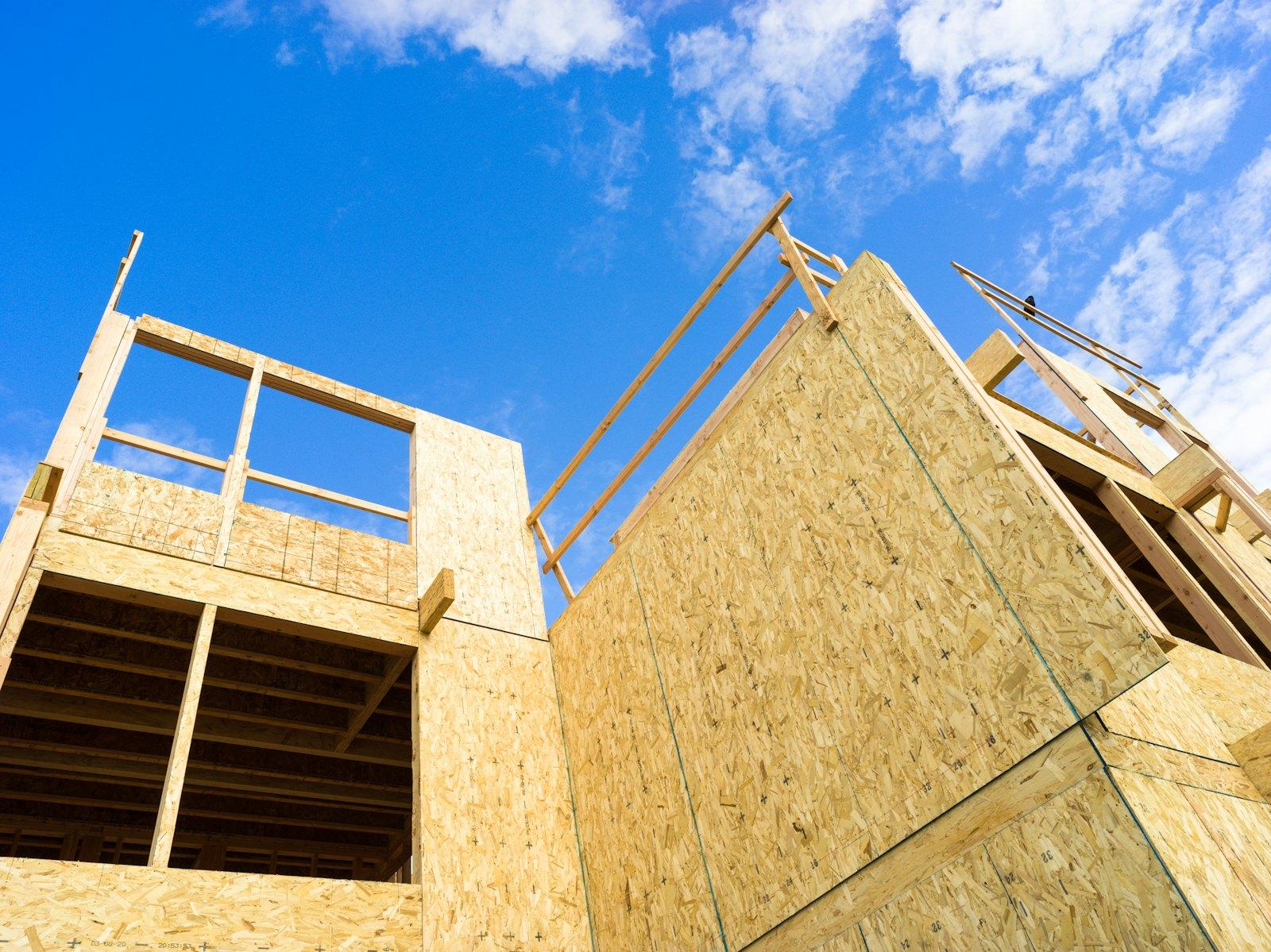
GST on new housing in Langley comes down to a short list of dates, values, and documents. When was construction started? When was it substantially complete? When did the first tenant move in, and what was the property worth on that day? Builders and investors who keep those answers in the books, alongside clean cost records, have an easy time with the CRA. Those who reconstruct them two years later usually do not.
This post covers the bookkeeping side only: what to record, when, and why. Whether a rule or rebate applies to your project is a tax question for your CPA. We say so at each point where it matters.
Who counts as a builder for GST purposes?
For GST, a builder is not only someone who swings a hammer. The CRA's home construction guide (RC4052) says you are generally a builder if you build or substantially renovate housing on land you own or lease, or hire someone else to do it. You can also be a builder if you acquire an interest in housing while it is under construction, or acquire it before anyone has lived in it mainly to sell it or to lease it to another landlord.
That second part catches some investors. Acquiring an interest in a new Willoughby unit before anyone has lived in it, with a plan to resell it or rent it through another landlord, can make you a builder for GST purposes. The guide treats a bare right to buy a home from a builder differently, which is one more reason the question belongs with your CPA. There is also an exception for individuals whose activity is not a business or an adventure in the nature of trade, such as someone building a home on their own land to live in. Where you fall is a judgement for your CPA, and it should be settled before the purchase, not after.
From the books' side, the answer sets up everything that follows: whether GST is charged on a sale, whether self-supply applies, and which rebates might be claimed.
What is the self-supply rule for new rental housing?
When a builder rents out new housing instead of selling it, the CRA treats the builder as having sold the property and bought it back. GST is calculated on the fair market value of the building and land on the date of that deemed sale.
RC4052 sets the timing at the later of two dates: the day construction or substantial renovation is substantially completed, and the day possession is first given to someone to live in it. For a single home or a condo unit, the tax is on that unit. For a multiple-unit building, or an addition to one, giving possession of the first unit triggers self-supply on the fair market value of the whole building or addition.
The rule applies whether or not the builder is registered for GST. A registrant includes the tax on line 103 of the return for the period in which the self-supply happened. A non-registrant reports it on Form GST62 and pays by the end of the month after the month of the self-supply.
There is a narrow exception for an individual builder who lives in the new home, or whose relation does, as a primary place of residence, if no input tax credits were claimed on the housing. Whether that fits your situation is for your CPA.
What records support a self-supply?
Five records carry most of the weight. Keep them in one file per project from the start.
- Construction start date. For rental rebates, the CRA generally treats construction as beginning when excavation starts. Keep the excavation invoice or the site log.
- Substantial completion date. Occupancy permits, final inspections, and the builder's own completion notes.
- First possession date. The first signed lease and the date the tenant took possession.
- Fair market value at self-supply. An appraisal dated close to the self-supply date. The CRA may ask how the value was reached.
- Full cost records. Land, construction, soft costs, and the GST paid on each, tagged to the project. This is the same job costing a contractor uses, described in job costing for Langley contractors.
Keep the leases and tenant records too. Both rental rebates below depend on how the units are actually used.
Which GST rebates apply to new rental housing?
Two rental rebates exist, and the difference between them is large.
The new residential rental property (NRRP) rebate lets a landlord recover part of the GST paid, or deemed paid, on new rental housing. The CRA describes its standard maximum as 36% of the GST, and it is only available where the fair market value of the qualifying unit is less than $450,000 when the tax was payable.
The purpose-built rental housing (PBRH) rebate raises that to 100% of the GST, with no phase-out based on value. According to the CRA, units must meet all of these conditions:
- They qualify for the standard NRRP rebate
- They are part of a building with at least four residential units that each have a private kitchen, bath, and living area, or a building with at least 10 residential units
- At least 90% of the units are held for long-term residential rental
- Construction began after September 13, 2023, and before 2031, and the building is substantially completed before 2036
The CRA lists condominium units, single-unit housing, duplexes, triplexes, and substantial renovations as ineligible. Additions to an existing apartment building and conversions of non-residential buildings can qualify. Both rebates are claimed on Form GST524.
One more record to keep: the CRA says the NRRP rebate must be repaid, with interest, if a unit is sold within one year after it is first occupied and the buyer is not buying it as their own primary residence or a relation's. Track first-occupancy dates per unit so a sale does not surprise you.
Questions for your CPA before you break ground
Will the project be a builder's self-supply? Does the unit count and rental plan meet the purpose-built rebate conditions? What fair market value method will you use? Is an input tax credit claim on construction costs appropriate? Settle these early; they shape how costs are recorded from the first invoice.
How do the new housing rebates work for buyers?
The standard GST/HST new housing rebate is for individuals buying or building a new home as their own or a relation's primary residence. Guide RC4028 calculates it at 36% of the GST, up to a maximum of $6,300. The rebate is reduced when the home's fair market value is between $350,000 and $450,000, and is not available at $450,000 or more.
The first-time home buyers' (FTHB) GST/HST rebate is now law, and the CRA is accepting applications. It provides up to 100% of the GST, to a maximum of $50,000, on a new or substantially renovated home valued at $1 million or less. Between $1 million and $1.5 million the rebate is reduced in a straight line, so a $1.25 million home could get half the maximum. At $1.5 million or more there is no FTHB rebate.
For a home bought from a builder, the CRA's conditions include:
- An agreement of purchase and sale signed on or after March 20, 2025, and before 2031
- Construction beginning before 2031 and substantial completion before 2036
- Ownership transferred before 2036
- A buyer who is a first-time home buyer, buying as a primary residence, and is the first person to live there
The CRA says a first-time buyer is someone who has not lived in a home owned by them or their spouse or common-law partner in the current calendar year or the four previous calendar years. Owner-built homes have their own conditions, starting with construction that began on or after March 20, 2025.
For Langley builders, the bookkeeping point is that both rebates can be credited to the buyer at closing. RC4028 says a builder who credits a rebate must make sure the buyer meets all the conditions first, including the dates and the price. When you credit a rebate, keep the signed Form GST190 and its worksheet with the sale file, record the credit against the sale, and report it on your next GST return. Whether a particular buyer qualifies is not your bookkeeper's call; your CPA or the buyer's adviser confirms it.
Is Langley in the BC Speculation and Vacancy Tax area?
Yes. The province's list of taxable areas, last updated in December 2025, includes both the City of Langley and the Township of Langley. The speculation and vacancy tax is a provincial tax, separate from GST, but it lands on the same investors.
The province says owners of residential property in a taxable area must declare every year by March 31, even when nothing has changed. Each owner on title declares separately, including spouses. Whether tax is owing depends on how the property is used and which exemptions apply, and that review belongs with your CPA.
For the books, keep a list of every residential property owned, who is on title, and how each unit was used through the year: owner-occupied, rented under a lease, or vacant. Tenancy agreements and rent deposits are the evidence.
How we help Langley builders and investors with new-housing GST
We keep the project file current as the work happens: costs tagged to each project, GST paid recorded by invoice, start, completion, and possession dates logged, and leases filed by unit. When a self-supply or rebate claim comes due, your CPA gets a complete package rather than a shoebox.
That work runs through our GST and PST filing and monthly bookkeeping services, and larger builders sometimes add a fractional controller for project cash flow. For the wider picture, see the Langley owner-operator's guide to bookkeeping and GST and PST for Langley businesses.
Questions owners ask
I built a duplex in Langley and rent out both sides. Does the purpose-built rental rebate apply?
No. The CRA lists duplexes, triplexes, single-unit housing, and condominium units as ineligible for the purpose-built rental housing rebate. The standard new residential rental property rebate may still apply to part of the GST; your CPA can confirm.
Do I have to report GST on a self-supply if I am not registered for GST?
Yes. The CRA says the self-supply rules apply whether or not the builder is registered. A non-registrant reports the tax on Form GST62 and pays it by the end of the month after the month the self-supply happened.
When does construction count as started for the rental rebate dates?
The CRA generally treats construction as beginning when excavation for the building starts. Permits, site clearing, remediation, and access roads do not count, so record the excavation date and keep evidence of it.
Can my builder credit the first-time home buyers' rebate at closing?
Yes. The CRA says builders can credit the first-time home buyers' GST/HST rebate at closing in the same way as the existing new housing rebate. If the builder does not credit it, the buyer can apply directly to the CRA.
Is the Township of Langley covered by the speculation and vacancy tax?
Yes. Both the City of Langley and the Township of Langley are on the province's list of taxable areas, so owners of residential property there must declare every year by March 31. Whether any tax is owing depends on exemptions your CPA can review with you.
Will you tell me which rebate I qualify for?
No. Eligibility is a tax judgement and belongs with your CPA. We keep the records, dates, and cost files the CPA needs to make that call and to prepare the claim.